-
BlockDAG Update: In-Depth Look at Nodes Module Rollout, User Query Resolutions, and Enhanced Faucet API
-
Nodes Module Deployment: An Internal Launch Packed with Insights
-
Deployment Details and Stakeholder Review
-
Addressing Community Queries: Solutions for Node Script Issues and More
-
Faucet API Optimization: Boosting Performance for Seamless Token Dispensing
-
What’s Next? Our Roadmap for Further Enhancements
-
Final Reflections: Building BlockDAG Together
-
Node Screen
BlockDAG Update: In-Depth Look at Nodes Module Rollout, User Query Resolutions, and Enhanced Faucet API
Hello BlockDAG Community!
We're thrilled to bring you another
comprehensive update on the progress of the BlockDAG ecosystem. This week, we’ve
achieved significant milestones, from deploying the Nodes Module on our internal
network to enhancing our faucet API for a smoother user experience. We've also
resolved various community queries, reinforcing our commitment to building a
user-friendly and resilient platform. Let’s take an in-depth look at these updates
and the exciting improvements they bring to BlockDAG!
Nodes Module Deployment: An Internal Launch Packed with Insights
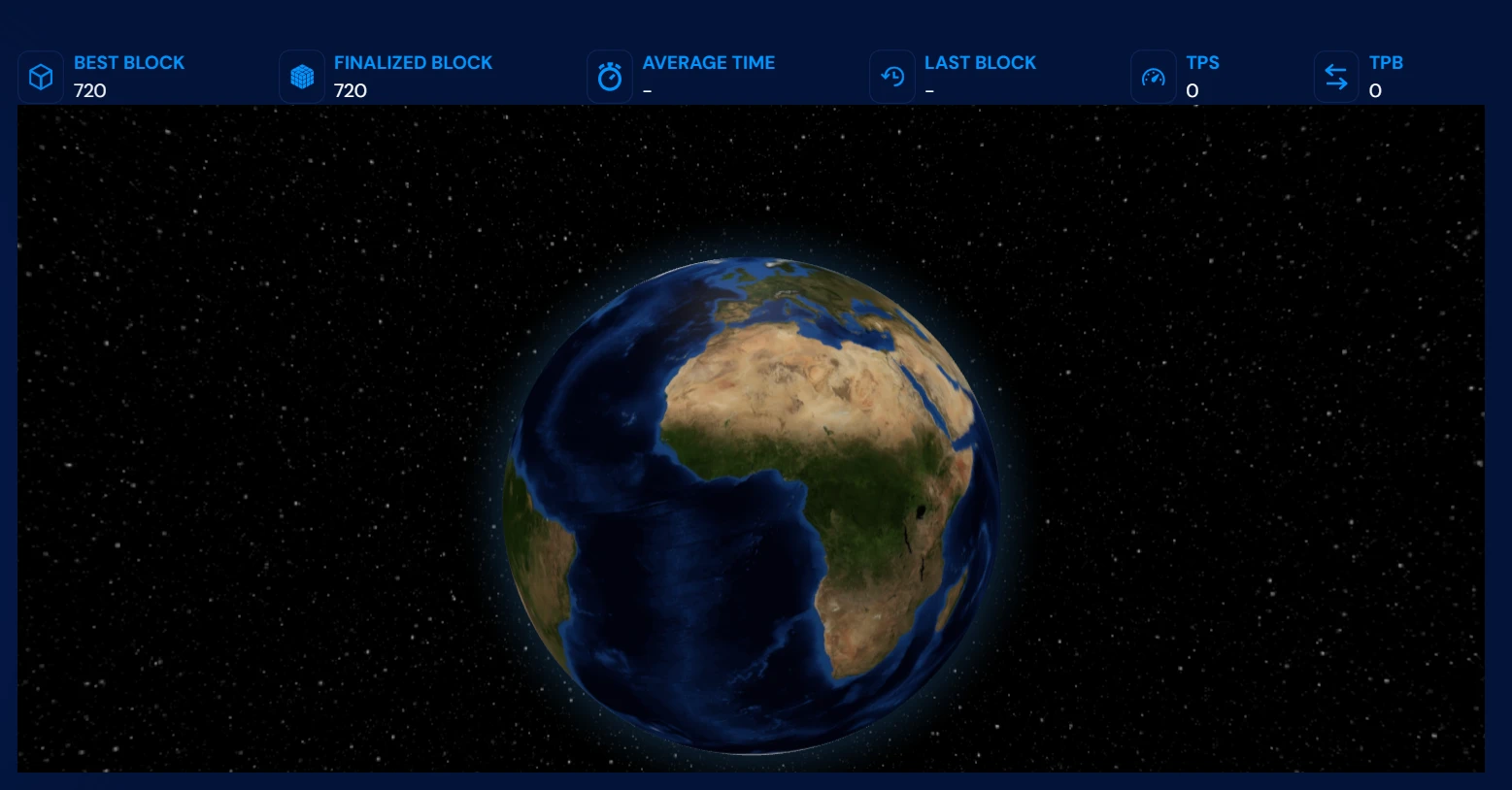
The long-awaited Nodes Module has officially been deployed on our
internal network! This module represents a major step forward in network
transparency and user engagement, allowing stakeholders to visualize the health and
activity of nodes across the BlockDAG network. The Nodes Module serves as a window
into the intricate workings of our distributed ecosystem, showcasing node activity,
performance, and overall network stability.
Key Features and Capabilities of
the Nodes Module:
- Real-Time Node Data Monitoring: The Nodes Module delivers real-time insights into key performance indicators, such as node connectivity status, transaction processing speed (TPS), and network latency. Users can track TPS fluctuations and identify patterns in network load, which is critical for optimizing node performance and ensuring a seamless user experience.
- Comprehensive Monitoring Capabilities: Through this module, users can monitor node uptime, track block generation intervals, and assess system health at a granular level. With this data, node operators and community members alike gain a better understanding of the network's operational status and can anticipate potential issues before they escalate.
- Network Security and Stability Metrics: Security is a top priority at BlockDAG, and the Nodes Module reinforces this by providing insights into security metrics such as safe block confirmations and network stability. By visualizing metrics related to block propagation and node-to-node communication, users can assess the resilience of the network against potential attacks or disruptions.
Deployment Details and Stakeholder Review
The Nodes Module is currently accessible only to internal stakeholders, who are
actively reviewing its functionality and providing feedback. This limited release is
critical for refining the module and ensuring it meets our high standards of quality
and usability. Once the feedback has been incorporated, we’re excited to roll out
the Nodes Module to the entire BlockDAG community. This phased approach allows us to
make targeted improvements, guaranteeing that the module is robust, responsive, and
ready to support the broader network.
We can’t wait to see how the Nodes Module
empowers our users and stakeholders with deeper insights into BlockDAG’s network
infrastructure. Stay tuned for more updates as we move closer to a public release!
Addressing Community Queries: Solutions for Node Script Issues and More
Supporting our community is a cornerstone of BlockDAG’s mission, and this means
addressing any technical challenges users face as they explore the platform. Over
the past few weeks, we’ve received a variety of queries regarding node
script issues, setup complications, and operational concerns. We’ve
diligently reviewed and responded to each query to enhance the user experience and
improve our documentation.
Below is a detailed breakdown of some of the top
queries we resolved this week:
Key Community Queries and How We Addressed
Them-
- Docker Compose Configuration: Docker Compose is a preferred tool for many of our users, as it simplifies the deployment and management of node environments. However, some users encountered issues with the initial configuration. To assist, we created a detailed step-by-step guide, covering everything from installation to advanced Docker configurations. This guide not only helps users set up their nodes efficiently but also provides troubleshooting tips to handle common issues.
- Access to blockdag-miner Binary for Testnet: The blockdag-miner binary is essential for users interested in participating in testnet mining, which helps test and validate network functionality. We received numerous requests for guidance on how to download and configure this binary for testnet use. In response, we shared direct links to the binary, along with detailed setup instructions, ensuring that community members can actively contribute to testnet operations and help us gather valuable performance data.
- Download Warning on Initial Sync: During the initial setup, some users noticed a warning message, “Client in initial download module=miner,” which appeared during block synchronization. To address concerns, we explained that this message is standard and indicates that the node is in the process of downloading historical blocks. We updated our documentation to clarify the syncing process, detailing what users can expect and how long the initial sync typically takes, reducing confusion for new users.
- Wallet Balance Verification: Checking wallet balances is a fundamental feature, but some users found it challenging to locate the balance-check functionality. We categorized this as a "documentation" query and created a comprehensive guide for balance verification, covering both direct commands and GUI-based methods. With this guide, users can easily monitor their wallet balances, enhancing their overall experience on the platform.
- Node Functionality Verification: Running a node is only
effective if the node is functioning correctly. Several users inquired about
verification methods to ensure their nodes were running as expected. To assist,
our team compiled a diagnostic checklist that includes commands for checking
connectivity, block synchronization status, and performance metrics. This guide
allows users to quickly confirm their nodes’ functionality, providing peace of
mind for network participants.
Each resolved query reflects our ongoing commitment to improving the BlockDAG user experience. By directly addressing user concerns and incorporating their feedback, we’re building a community that’s not only informed but also empowered. We encourage all community members to continue reaching out with any questions or issues—they help us make BlockDAG a better platform for everyone.
Faucet API Optimization: Boosting Performance for Seamless Token Dispensing
The faucet API is an invaluable tool for both new and experienced
users, as it provides easy access to test tokens, allowing users to explore the
platform without the need for real assets. Due to increased demand, we prioritized
optimizing the faucet API, ensuring that it remains responsive, scalable, and
secure.
Enhancements to the Faucet API:
- Reduced Latency: We restructured the faucet API’s backend to process requests more quickly, effectively reducing the time required to dispense tokens. By optimizing database queries and request handling, we’ve reduced average latency, making token requests faster even during peak usage.
- Load Balancing and Scalability Improvements: To prevent server overloads and maintain performance, we implemented load balancing across multiple servers. This setup distributes traffic evenly, allowing the faucet to handle a high volume of simultaneous requests without delays. As a result, users can access test tokens reliably, regardless of overall demand.
- Enhanced Error Handling: One common issue was unclear error messages when token requests failed. We implemented more descriptive error handling, providing users with clear guidance on how to troubleshoot common issues. Now, if a request fails, users receive actionable feedback, reducing frustration and enabling them to resolve issues more independently.
- Strengthened Security Measures: To protect the faucet against
spam and abuse, we upgraded our authentication process for faucet requests.
These security enhancements ensure that the faucet remains available for genuine
users, allowing legitimate requests to be prioritized and processed
efficiently.
Our commitment to a reliable faucet API doesn’t end here. We’ll continue to monitor its performance, seeking additional ways to enhance speed, scalability, and security. We’re dedicated to maintaining the faucet as a resource that provides value to the BlockDAG community, empowering users to explore and engage with the platform.
What’s Next? Our Roadmap for Further Enhancements
As we look to the future, our development team has outlined several exciting
initiatives that will continue to strengthen the BlockDAG ecosystem:
- Public Launch of the Nodes Module: After gathering feedback from our internal stakeholders, we’ll be making the Nodes Module available to the entire community. This module will offer unprecedented transparency into the network, allowing users to monitor live node data and engage with network insights like never before.
- Enhanced User Support and Documentation: We recognize the importance of clear, accessible support resources, especially as new users join BlockDAG. Our team is working on expanding our support documentation, covering additional topics like node maintenance, network troubleshooting, and developer resources.
- Continued API and Backend Optimizations: Beyond the faucet API, we’re constantly reviewing our backend infrastructure to identify potential performance improvements. Our development roadmap includes optimizations for other critical APIs, ensuring that BlockDAG remains fast, reliable, and responsive as user adoption grows.
Final Reflections: Building BlockDAG Together
At BlockDAG, we’re more than just a blockchain platform; we’re a collaborative,
community-driven project. Every new feature, every resolved query, and every system
improvement reflects our commitment to delivering a robust, transparent, and
user-centric experience. The recent deployment of the Nodes Module, faucet API
optimizations, and responsive user support efforts demonstrate our dedication to
making BlockDAG a platform that anyone can navigate, understand, and contribute
to.
Stay tuned, together we’re shaping the future of BlockDAG—where community
and innovation converge.
Node Screen